
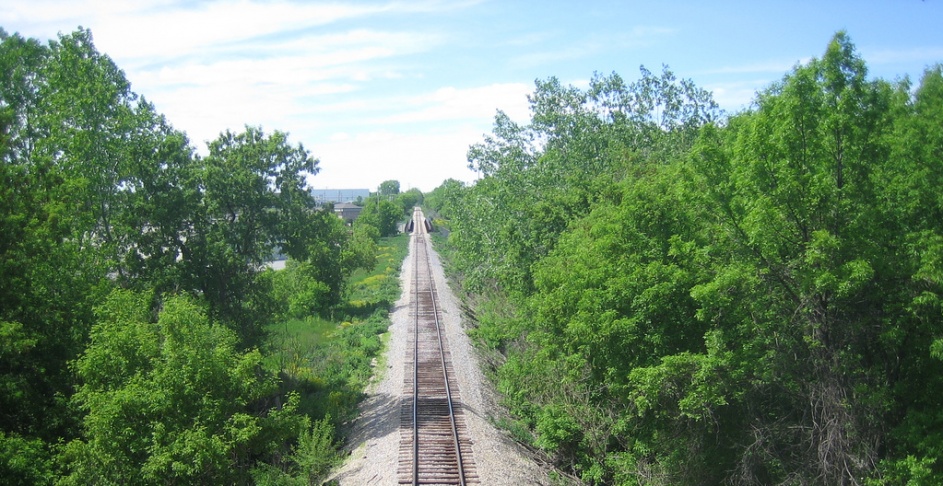
On June 11, 2011, the IC Wawel Kraków to Berlin train – yes, that great long lump of metal that caterpillars in a north-westerly direction, at an average speed of 45km/h, and for ten hours (is it uphill all the way?), and from the pretty provinces, through pine forests and fields, to the graffiti-soaked and largely bespectacled capital of geek – will be renamed the Kraków-Berlin XPRS and will play host to a theatrical extravaganza, or, if you want to be technically precise about it (in accordance with the blurb), “an intervention” (which sounds a little like how PKP would describe a delay), including performances (not just a limping man with a deep voice shouting “Piwo” and plucking out surprisingly cold cans from a dirty black holdall), readings (not only you consuming two blockbusters and the Bible to fill the journey), happenings (not only you smoking in the toilets and being sick on the tracks, or doing some kind of limbo dance to squeeze past the strange guy in the corridor without touching him) and, probably, all kinds of spillages (not only the melting plastic beakers of WARS tea, and sticky little bottles of Kubuś orange pop).
A collaboration between Kraków’s Stary Theatre and Berlin’s innovative Maxim Gorky Theatre (Dorota Masłowska’s play, “A pair of Poor, Polish-speaking Rumanians” is on their repertoire), the inescapably passenger-interactive events (no fleeing to the restaurant carriage or pulling the emergency “STOP”: nearly all the uniforms will be inhabited by actors) have been written and devised to reflect the history along the way (and there’s plenty of it), to invoke and link the two cities and a few of the stations en route. In other words, be prepared to jump on and off the train, wailing in both languages, whenever instructed to do so. There’s a fine cast of actors and writers, too, and they will be, er, intervening for the entire journey (imagine a Kantor ensemble squeezed into every single carriage). Yes, that’s ten hours rattling along the tracks in the presence of the performative arts! The project is directed by Armin Petras and you can find out more soon at http://www.krakow-berlin-xprs.com/
It’s a wonderful idea, but can the project really match the drama of your average Kraków-Berlin adventure? (And I’m not including the road journey of potholes and prostitutes; indeed, the tarmac on the Polish side does not seem to have been resurfaced since godknowswhen, so that driving feels more akin to surfing, so frequent are the rises and falls. When borders go down, there are plenty of other ways of, if not exactly keeping people out, then of slowing them down. And I’ve had my fair share of flat tyres and emergency kotlets. Though I was never tempted by the whores lining the woodland road by the border, or by those other static presences, the legions of garden gnomes for sale.)
I’ve taken the train countless times (I was counting the minutes not the times) and it seldom passes without incident. At night, on the top bunk, sleeping in my boots, while all kinds of characters snored in a strangely syncopated way beneath me, or dressed/undressed, a curious unpeeling of silhouettes. Or the time when, after dark in the evening, as I was sitting alone in a compartment, a snaky leather-jacketed man came in with two bubbly women with big hair and bleached jeans, and he immediately switched off the light and closed the curtains to the corridor. I heard kisses, zips, giggles, the opening of cans. I could smell lipstick, chewing-gum, perfume. I pretended to be asleep, not that they were taking any notice of me. Or the time I took the train on 9/11 (is it already 10 years ago?) to see Radiohead in Berlin (and what a concert that was) but my phone started ringing just as I was having my bags searched at the German border. In one ear, my father, close to tears, was telling me “Have you seen what’s happening? It’s World War III!” In the other ear, my packs of cigarettes were being counted out by a customarily unpleasant Custom’s Official, “Ein, zwei, drei…” Or the time I met a literature professor who claimed to have once taught Jerzy Kosiński. And, perhaps most memorably, the journey when I met three delightful, elderly ladies, and we shared a bottle of Cognac one of them had plucked from a white leather handbag, while we looked through a large book of black-and-white photographs. The ladies were concentration-camp survivors on the way back from the book’s launch. There was tears and laughter as they flicked through that book, pointing out people they knew or recognised, sipping their Cognac, and, most astonishing of all, occasionally bursting into song, and though they occasionally forgot the words they just giggled and carried on, as the low winter sun revealed hundreds of finger-prints on the window – all those partings either side of the pane!
If the XPRS project can capture something of the poignancy of those ladies, and something of the lunacy of many of the other travellers, then it should turn out to be yet another memorable journey on that slow, slow train to Berlin.