
Things could be much better. That realisation lingers in the back of our heads as we trudge through the dreariness of late autumn and early winter. But we still have about five months to go before things really start looking up. This gloomy prospect drives part of the population to dip into the rich selection of increasingly well packaged and effectively advertised pharmaceuticals and parapharmaceuticals. Among all the colourful pills, supplements, and mood lifters available to us at the pharmacy, substances that place the least strain on the body while offering the greatest mental relief are the remedy of choice this autumn.
WARNING
Be sure to read the leaflet and talk to your doctor or pharmacist to find out if this drug is right for you. Improper use of any drug can be harmful or fatal.
However, most pleasant and colourful things tend to have adverse effects. It’s best to avoid reading the leaflets, lest you find out that even delicious vitamins could cause microtrauma. Yet pharmaceuticals, especially the chemically synthesised ones, offer greater hope for better health, improved quality of life, or simply relief. Lonely souls tune into late night talk shows where doctors deal out psychological advice while recommending treatment with mild pharmaceuticals. Commercials encourage us to try remedies for the ever-growing list of lifestyle diseases, and cosmetics and medicaments on pharmacy shelves can hardly be told apart. Do I apply this or swallow it?
Mysterious side effects are catnip for the media, pharmacophobes, and pharmacophiles, as well as the pharmaceutical companies competing for our bodies and wallets. Nothing boosts sales (or hurts the competition) like an electrifying news item about the miraculous properties of a particular pill — or the dangers associated with its use. Efficient PR campaigns have driven millions of people to vaccinate themselves against unavoidable diseases, while ignorance leads us to believe that serious side effects are simply a natural risk that has to be taken. Medicaments and parapharmaceuticals have become a fact of life for the contemporary citizen of the world. They’re more than mere products — they have become pop culture icons, emblems of our desires and social aspirations. There are circumstances in which admitting to the use of mild new antidepressants is considered proper form, but instances of serious mental illness in the family are still best kept under cover. Sad, chronic diseases are a social hurdle, but organic, laboratory tested dietary supplements offer an opportunity for busy people to share small talk about their trivial problems. Meanwhile, despite the financial crisis, pharmacies remain buzzing social hubs, gathering members of all social strata, all of whom share the activity of staring into the window in front of the register. Many a pharmacist could share hundreds of personal stories overheard from their loyal customers.
An update to the list of subsidised drugs was recently announced in Poland. As usual, the news sent shivers down the spines of thousands of people for whom the health care system’s evaluation of thousands of complex chemical substances can be a matter of life or death. As consolation, we present the brighter side of the whole matter — the colourful designs of old Polish medicament pamphlets.
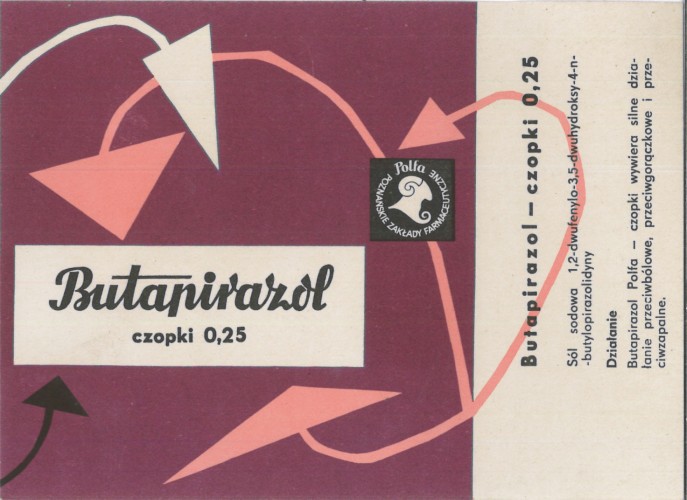
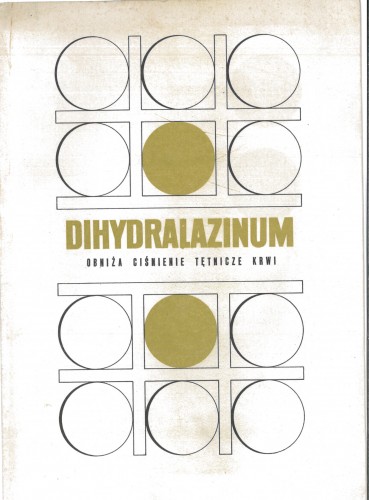
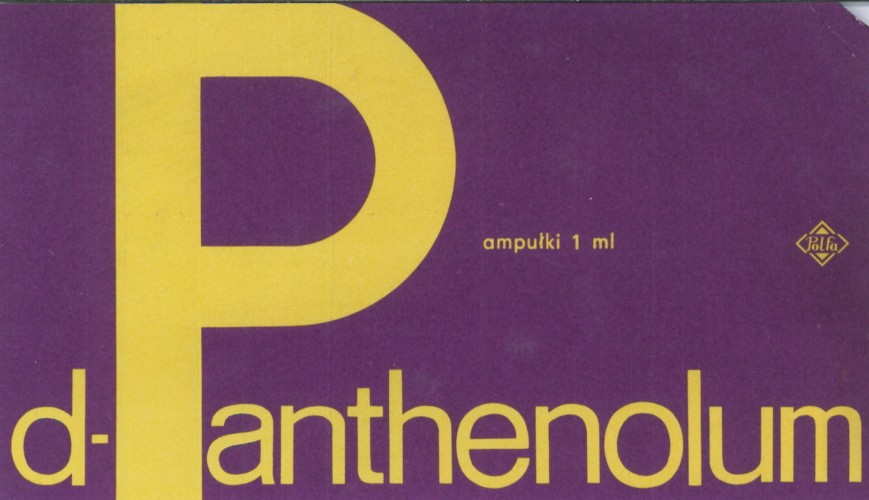
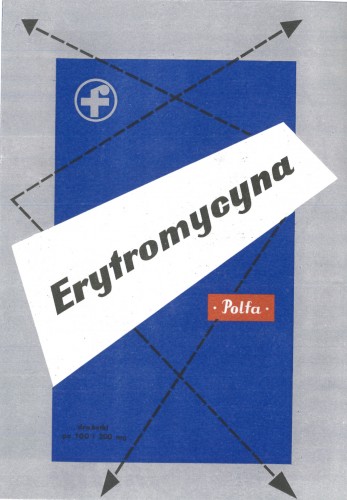
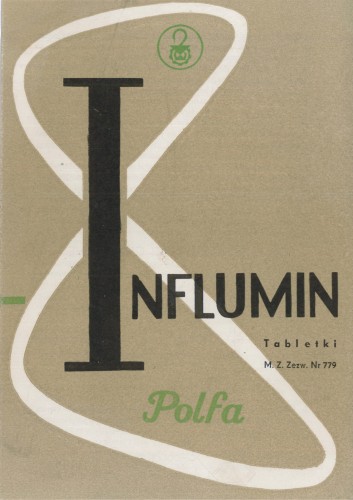
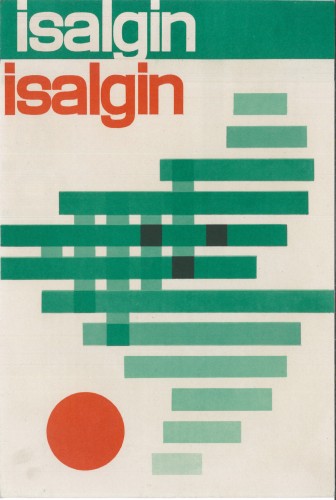
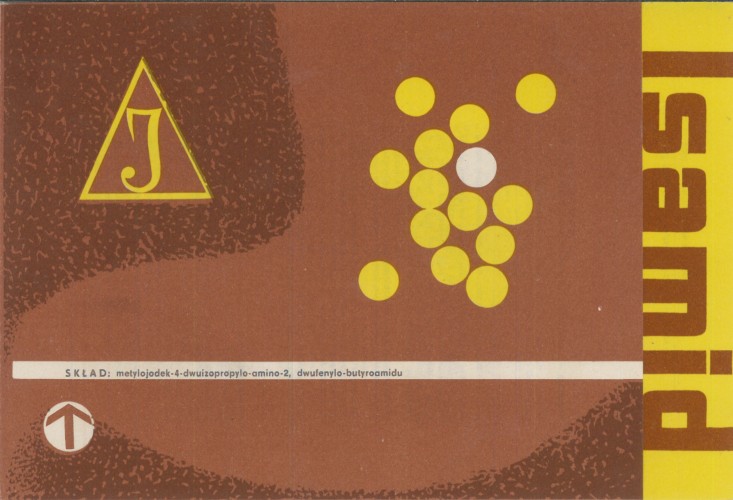
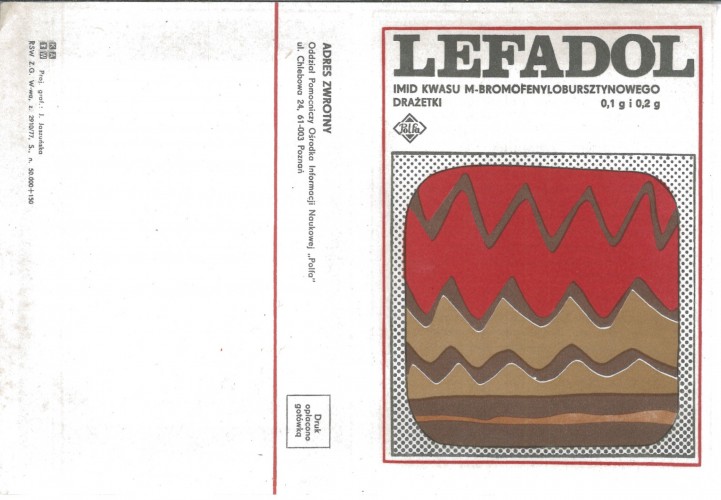
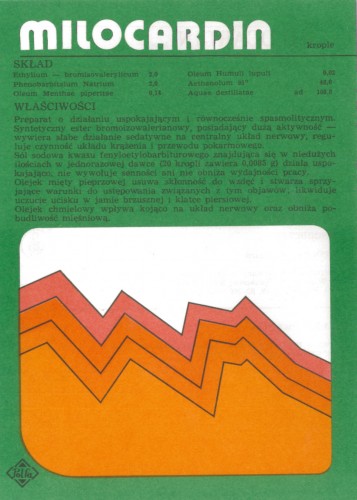
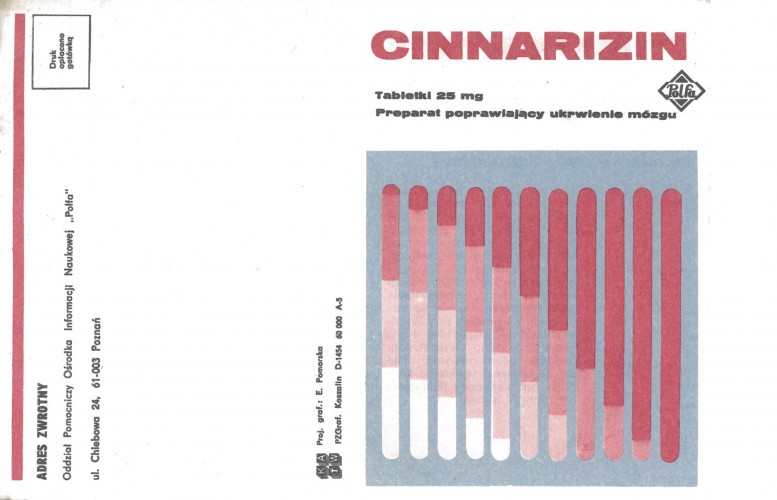
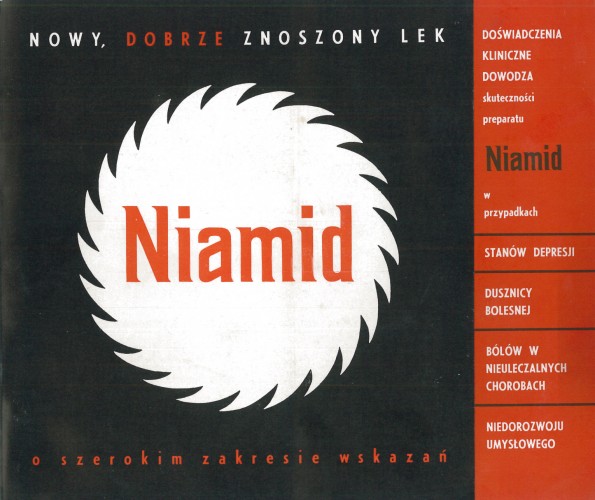
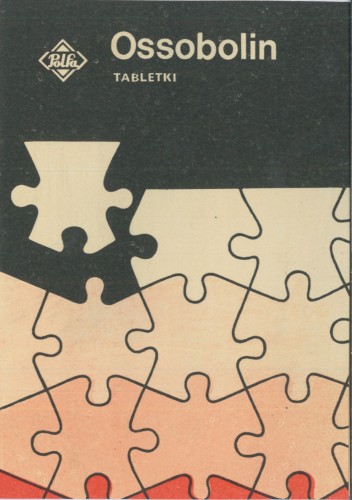
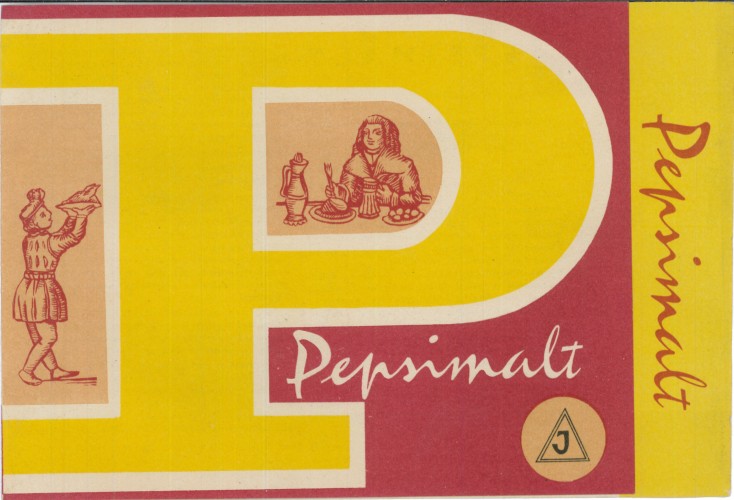
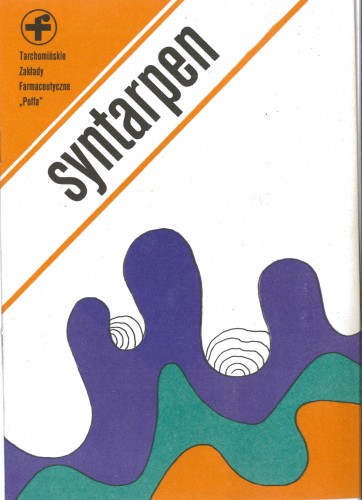

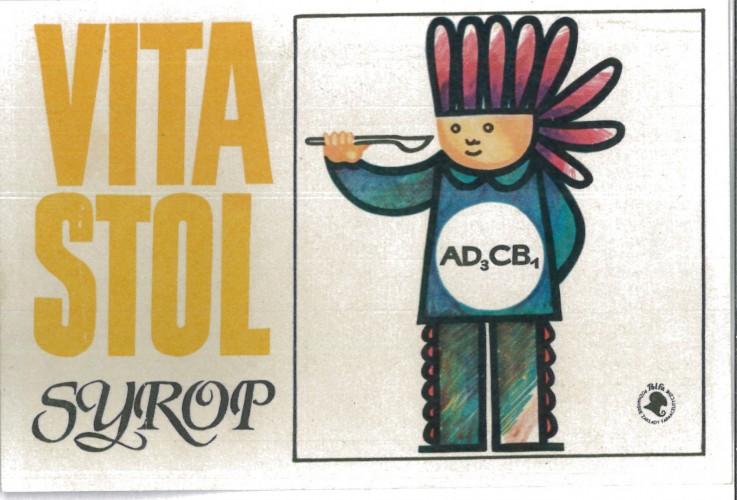
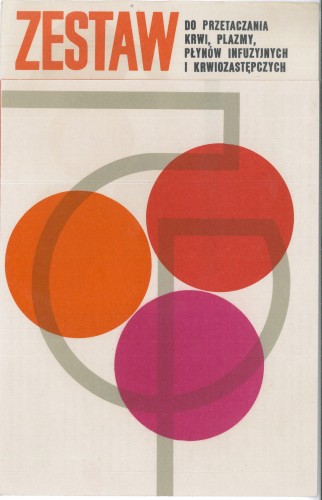
Source: Family archives. Date: 1960s–1970s.
translated by Arthur Barys